
I make machines read things that were never designed to be read.
I’m Minu.

I co-founded Southbridge with Hrishi Olickel. We build agents for difficult data, where making sense of a record often means recovering the context around it.
I like what happens when a model can test an idea against the world and use the result to decide what to try next. Much of my work is getting that loop to close reliably, and building the improvement into the system so it survives beyond a single run.
 More about me
Talks
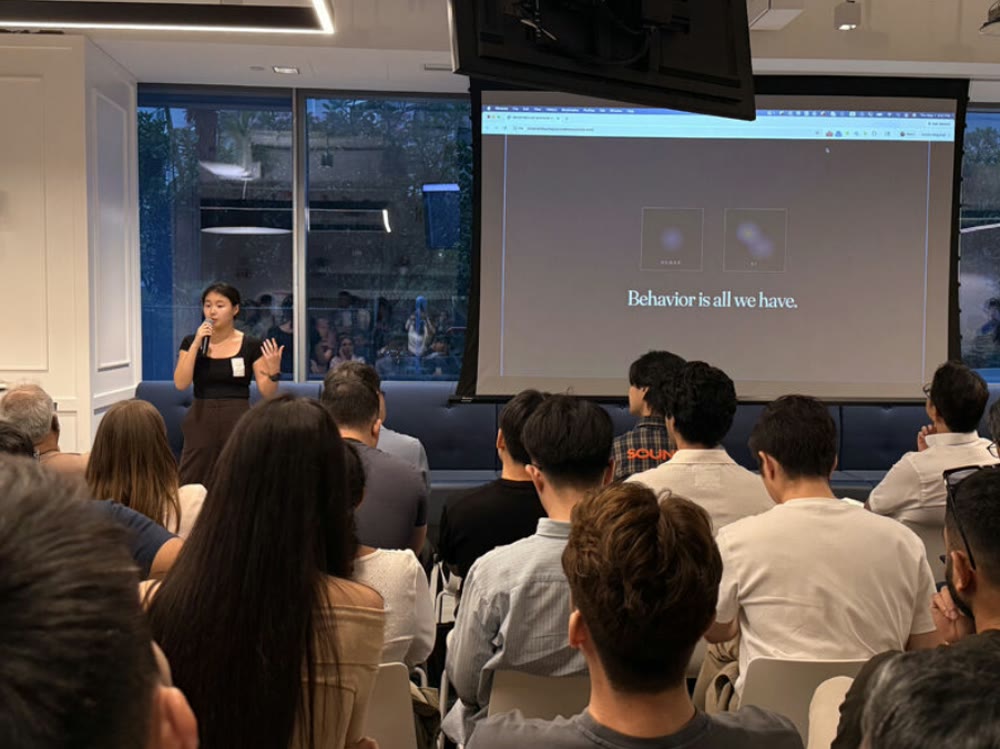
Benchmarks are anomalies and they will die
Benchmarks are a symptom of a field still finding its frame. Through Kuhn’s lens, they die into features, then infrastructure. What should we build while that happens?
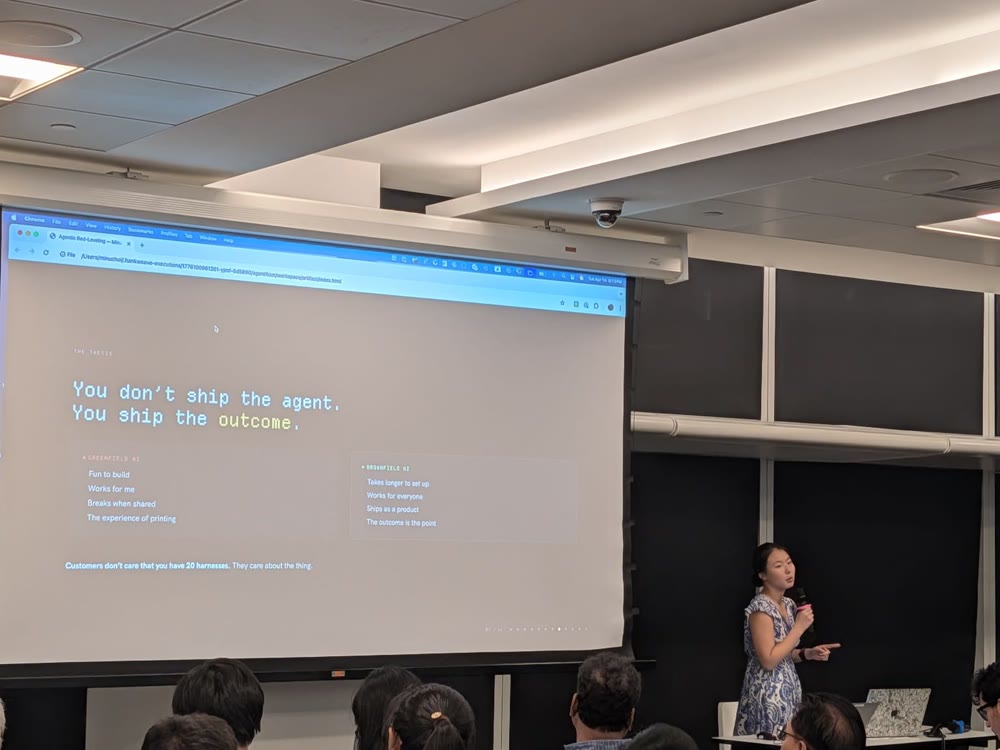
Agentic Dynamic Programming
I love 3D printers. They inspect the thing they’re making, not just the instructions they followed. Reliable agents need that loop too: you don’t ship the agent; you ship its outcome.
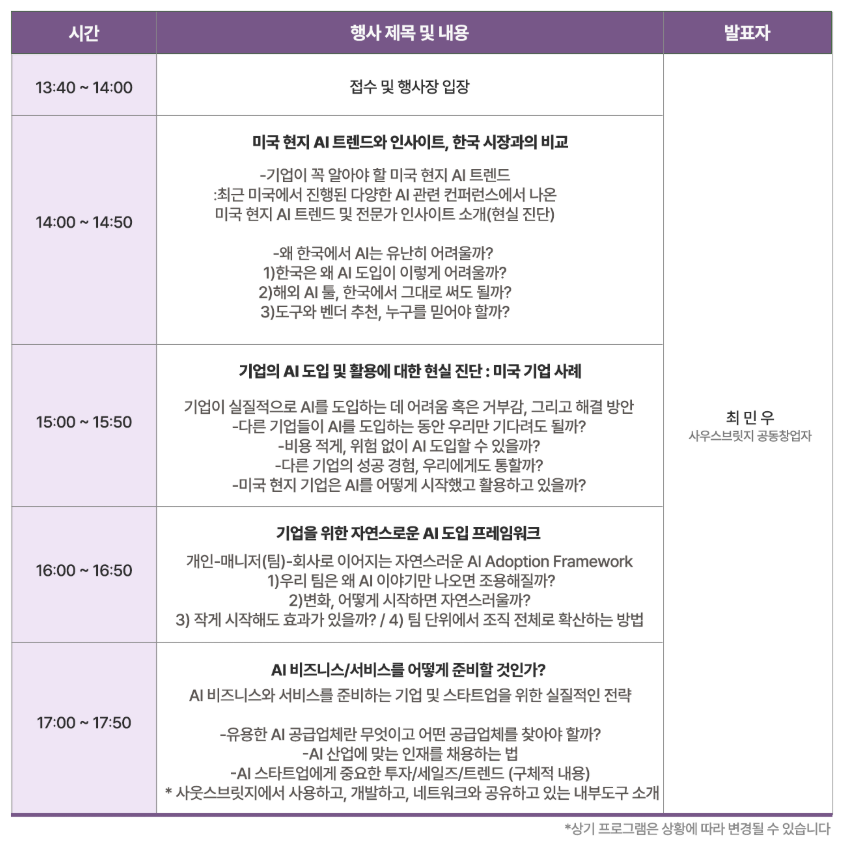
Southbridge × Anthropic
Start with the data the team already has. I taught a four-hour seminar in Korean using examples from Southbridge and enterprise demos from Anthropic.

Old Things
Old data is rarely missing; it has become illegible. Roman coins and shipping records led us to the same problem: recovering the intent and context that make information useful.
An ode to small models
I’ve been a small-model person since 2024. Diagen was an early place to close the visual loop: make a diagram, look at it, fix it. Cheaper models make more turns of that loop practical.
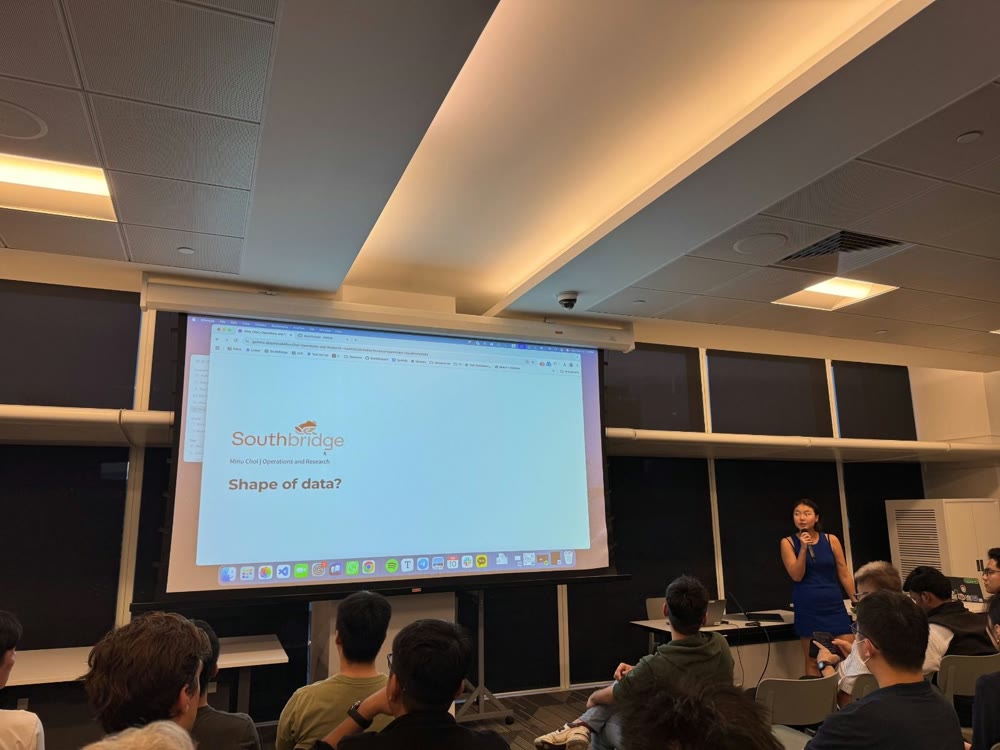
Shape of Data?
Pickasso, and the question behind it: how do you choose useful examples from a dataset you don’t understand yet? Getting that first slice right changes what a model can do with the rest.
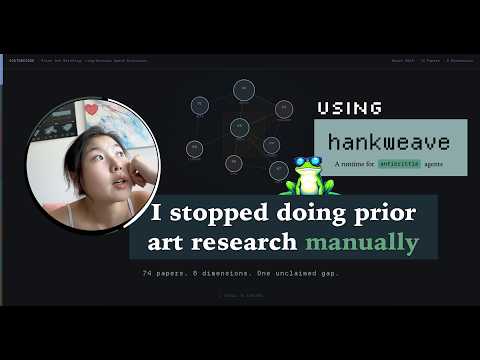
A research loop, then a design loop
A research hank gathers the prior art; a design hank turns it into a briefing. One loop’s output becomes the next loop’s starting point, with the intermediate work available to inspect.
Correspondence
- Southbridge
Tap the Bed
What a 3D printer’s calibration routine taught us about making AI agents reliable.
- Southbridge
Meno’s paradox, measured: Kimi K3’s nervousness index
A Malayalam homework question, two models, and a very old problem: how do you search for an answer you wouldn’t recognise?
The Tortoise That Read Asimov
A comic-making agent reads Asimov and Clarke before drawing its first page.