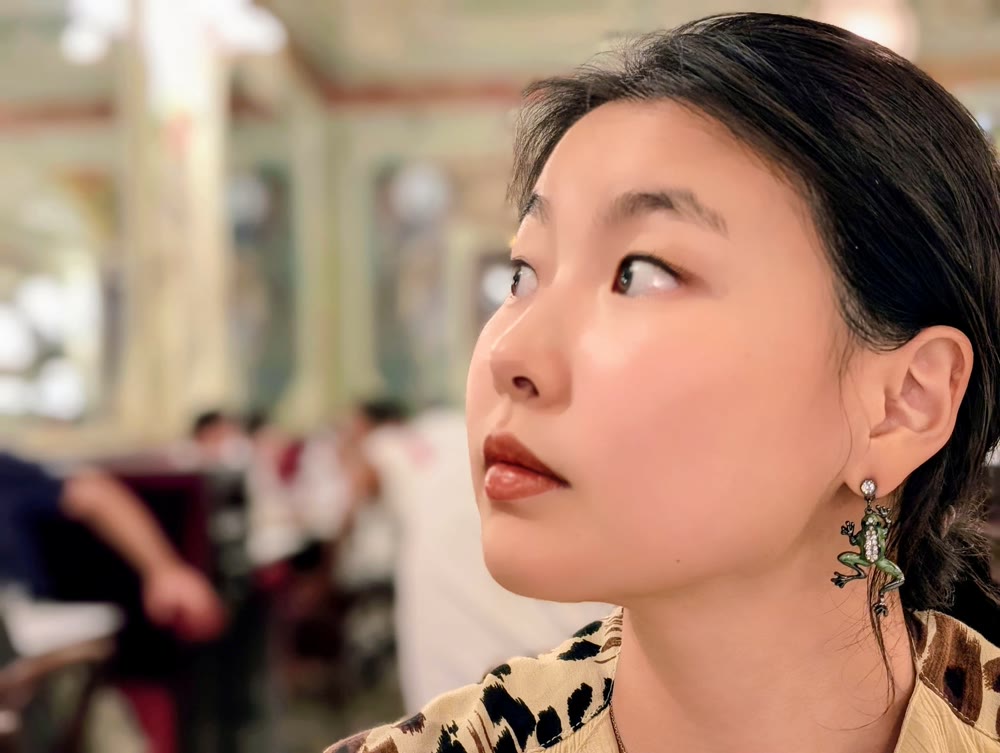
I’m Minu.
I’m a researcher and co-founder of Southbridge, where I’m Chief Science Officer. I like poking at what models still can’t do, then building ways for them to check and improve their work.
I love old things. Latin and Ancient Greek, Roman coins, archaeological sites—things you have to learn how to read before you can ask them a useful question.
My research has taken me from numismatics and intellectual history to clinical computer vision. Southbridge grew out of a question that kept returning: how do you make information useful when its context has gone missing?
How big was the Roman economy?
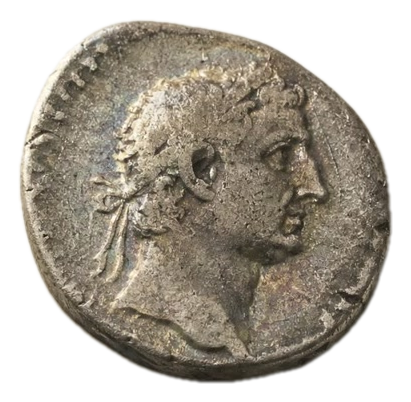
I spent four years as a computer-vision researcher, turning auction-house photographs into a way to investigate that question. Every hand-carved die left a slightly different version of an emperor’s face. Group the coins by those differences, and you can start counting the dies.
We standardised more than 5,000 photographs and built the workflow around that comparison. An analysis that took about a year per thousand coins came down to two weeks. The counts let historians estimate mint production, rather than rely on the surviving coins alone.
I brought this story to Old Things, my talk at the YC alumni retreat in Cancún. The research line continues in DIEGEST at the Ashmolean Museum, building on the earlier work.
I’m intimately familiar with Nero’s nose.
Mind and matter, in the same correspondence.
My intellectual-history research followed the letters between Wolfgang Pauli and Carl Jung. A physicist and a psychologist were writing to each other about dreams, symmetry, religion and war—questions now filed under quite different disciplines.
I read that exchange to understand how Pauli’s search for unity responded to his time. Intellectual history works through text: what people wrote, what they meant, and the world their words belonged to. That way of reading has stayed with me when I look at an agent’s trace.
On the physics side, our Editors’ Suggestion paper in Physical Review Research found that one atom is enough: an ion that interacts with just one atom of a vibrating chain feels friction and ends up at the chain’s temperature. I ran the numerical experiments behind it.
On the chemistry side, our paper under consideration at Nature Communications uses unsupervised machine learning to sort simulated water molecules into two local structures, which merge as the water warms.
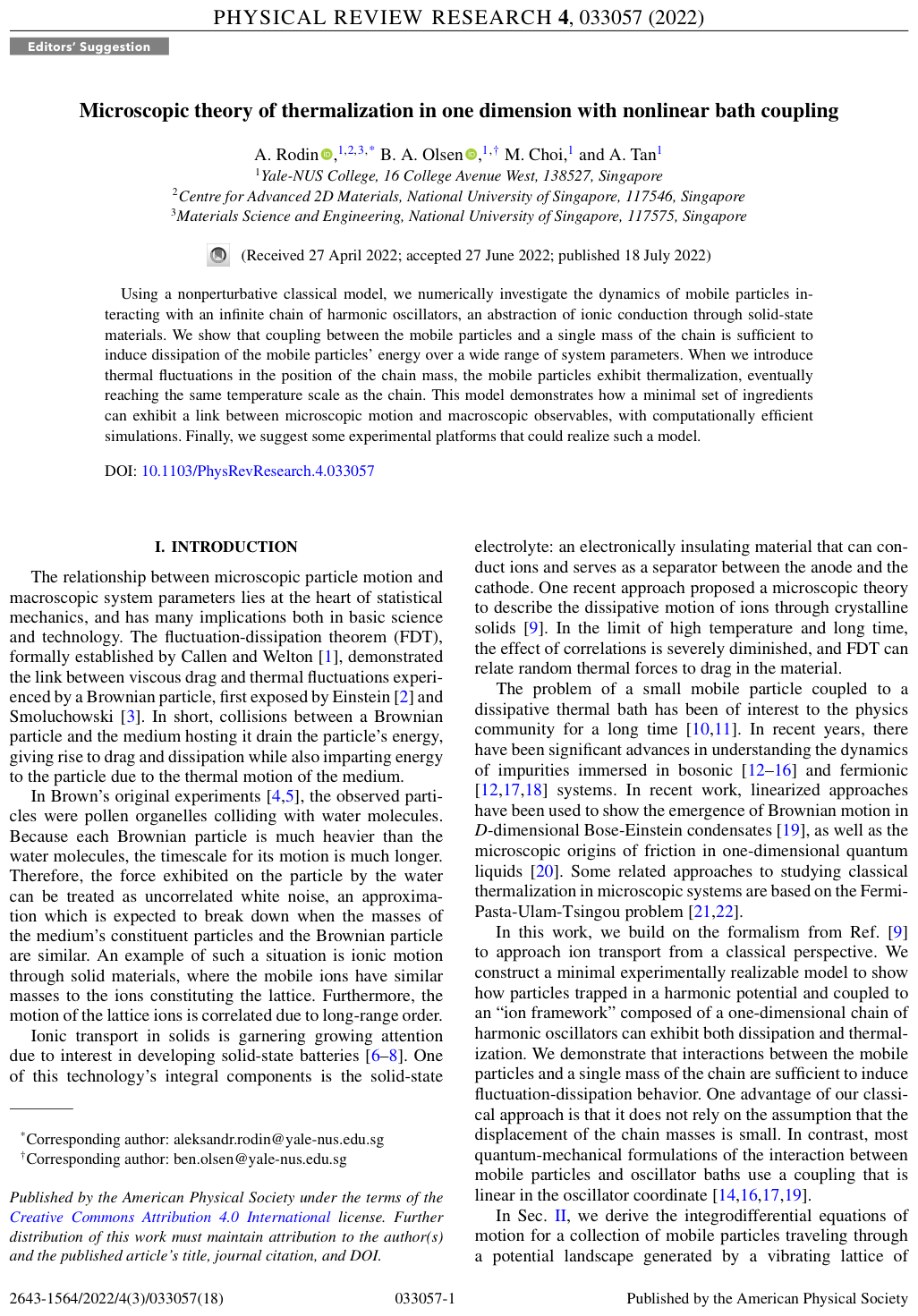
thermalization
Physical Review Research (2022). Selected as an Editors’ Suggestion.
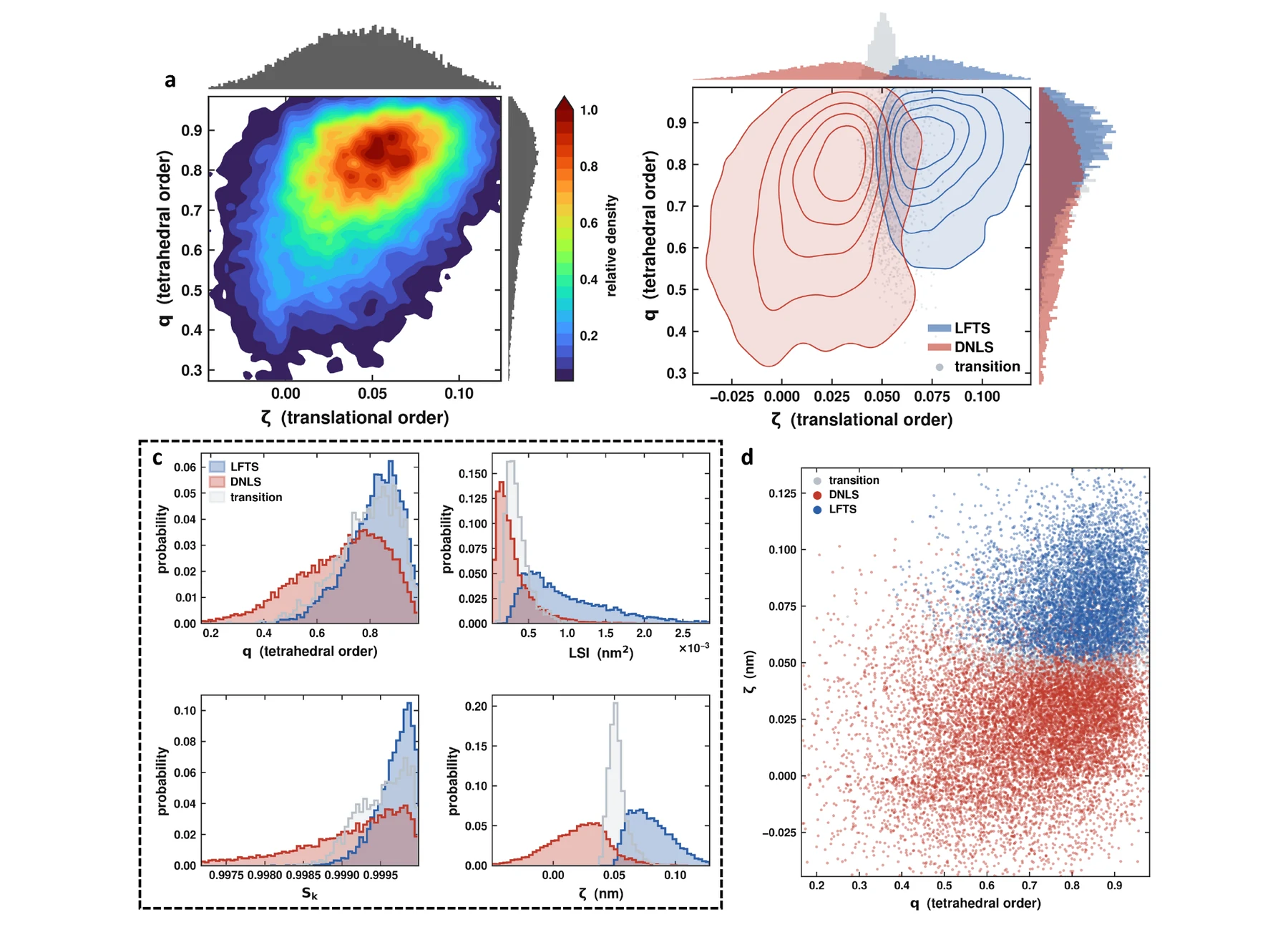
is water a mixture?
Under consideration at Nature Communications (2026). Figure 1: the molecules before classification, then sorted into two structures, with ambiguous ones in grey.
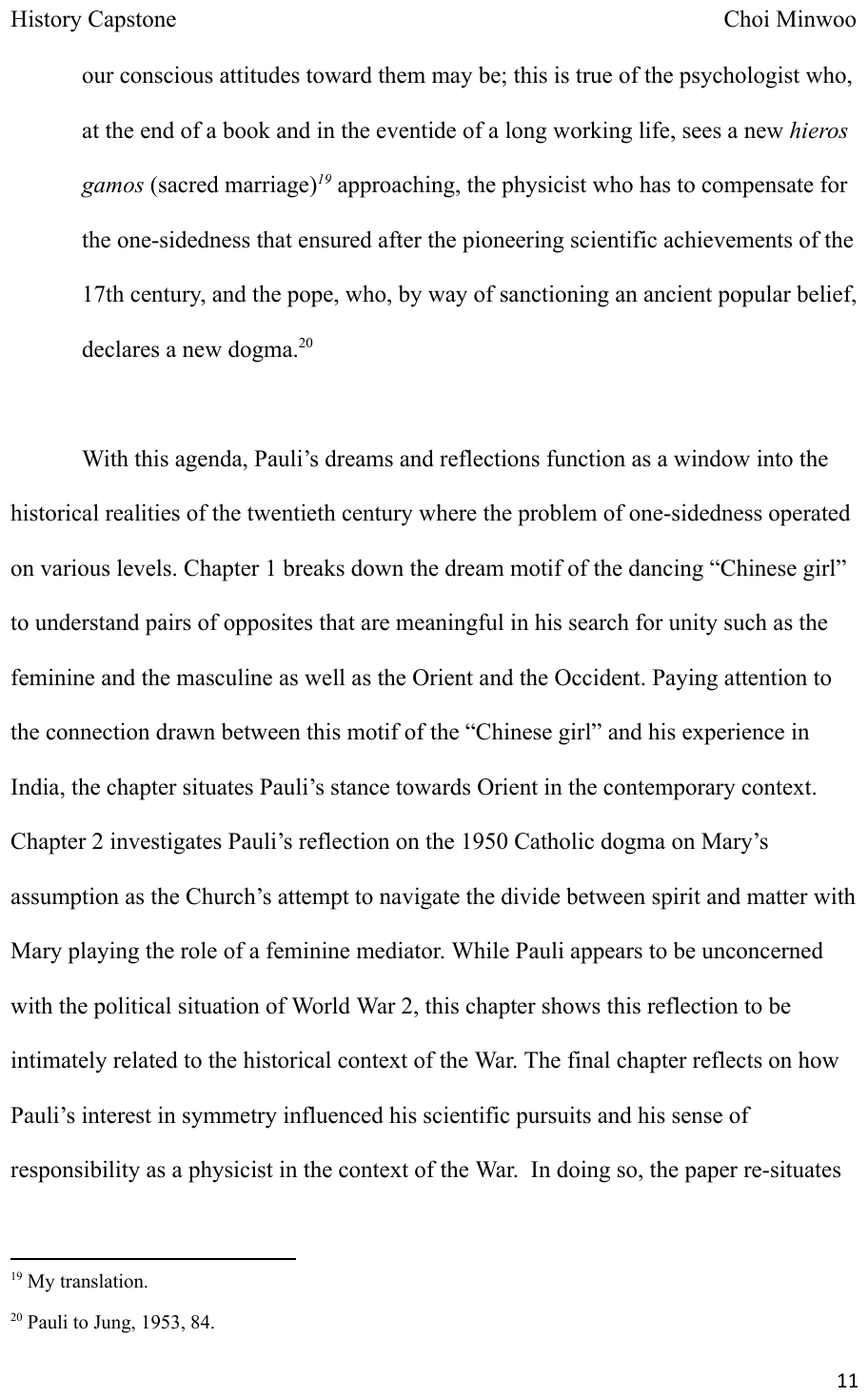
mind & matter
From Dreaming as a Child of the Twentieth Century (2022). Intellectual history read through the Pauli–Jung correspondence.
Reading the heart through the skin.
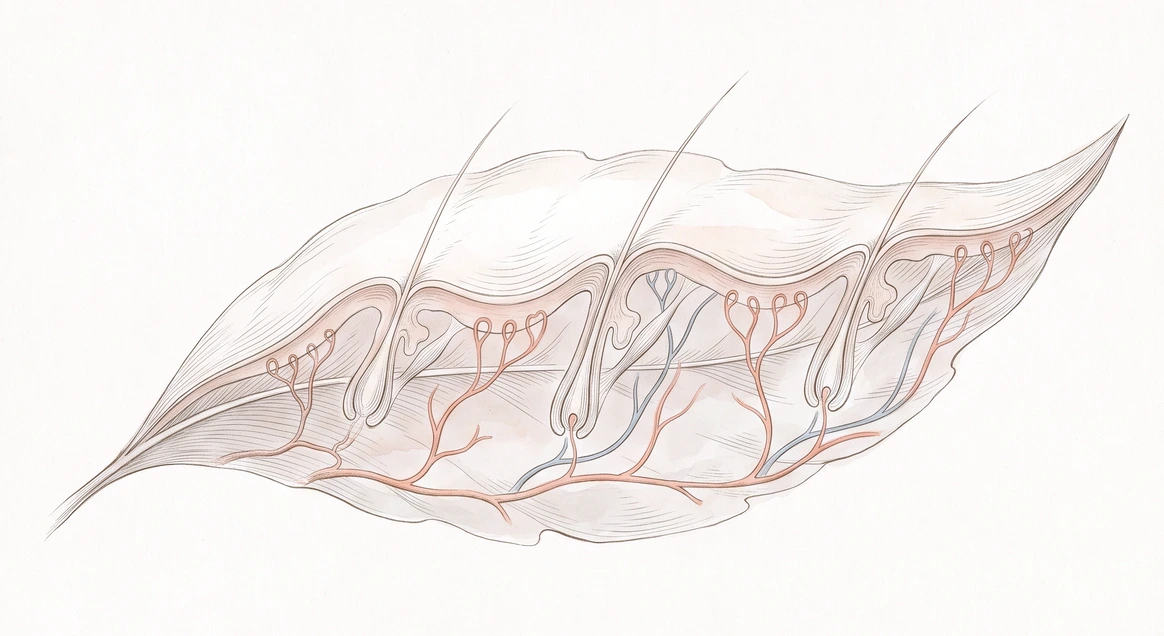
At Nervotec, I led the engineering and clinical teams behind software that estimates blood pressure and hemoglobin from facial video. We tested it with Singapore General Hospital in a clinical study of 200 preoperative patients, now published in JMIR Formative Research.
The signal is in tiny colour changes as blood moves through the skin. Getting from that observation to a clinical study takes more than an algorithm: a protocol, validation, and a system that can account for how the software was built.
That system is my proudest build: it sits at the bottom of the stack and makes quality maintenance possible. I built Nervotec’s quality-management system from scratch, automated it in Notion, and owned the EN ISO 13485 audit through to certification. I also prepared the regulatory pathways for FDA and HSA review.
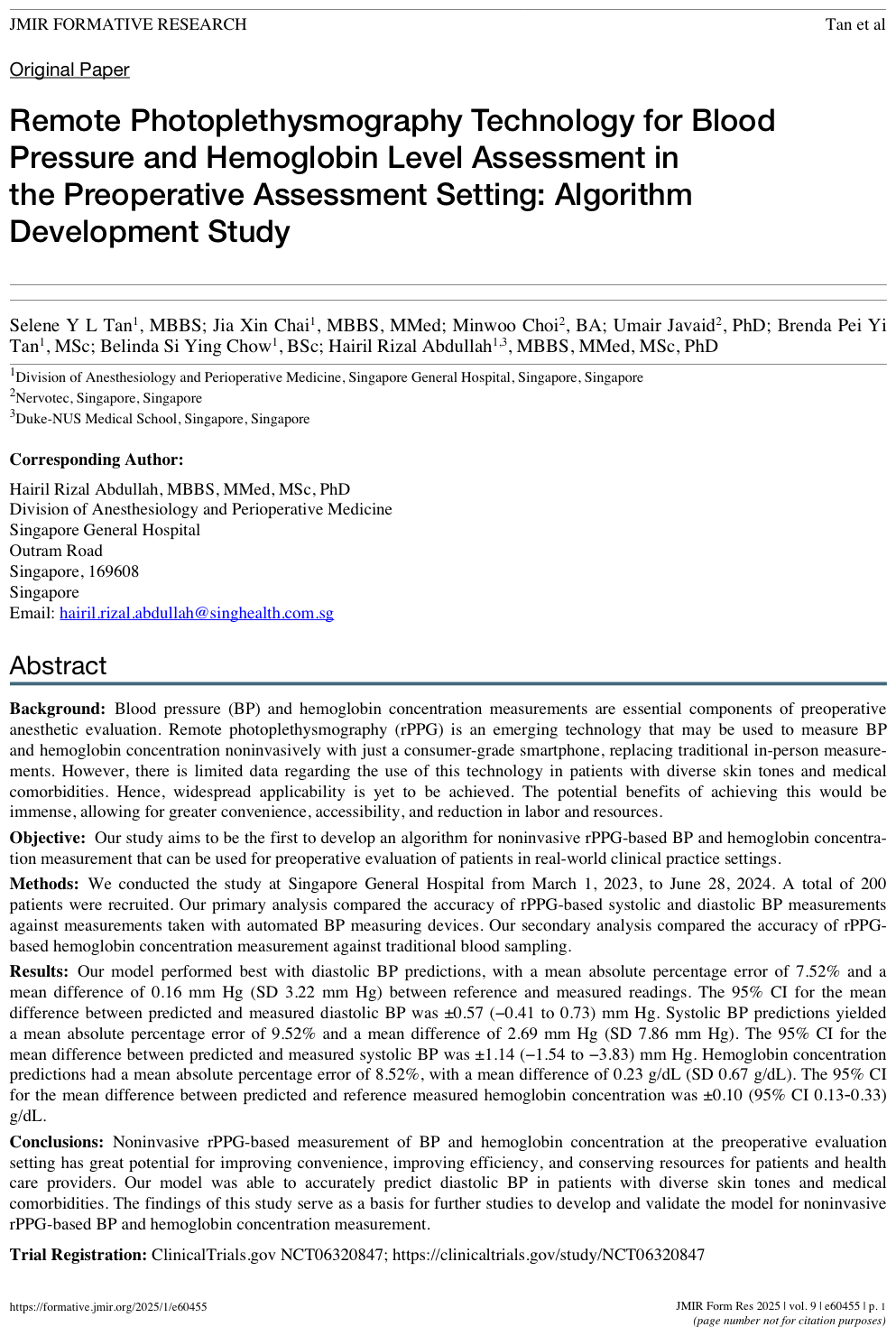
The 200-patient Singapore General Hospital study, published in JMIR Formative Research (2025).
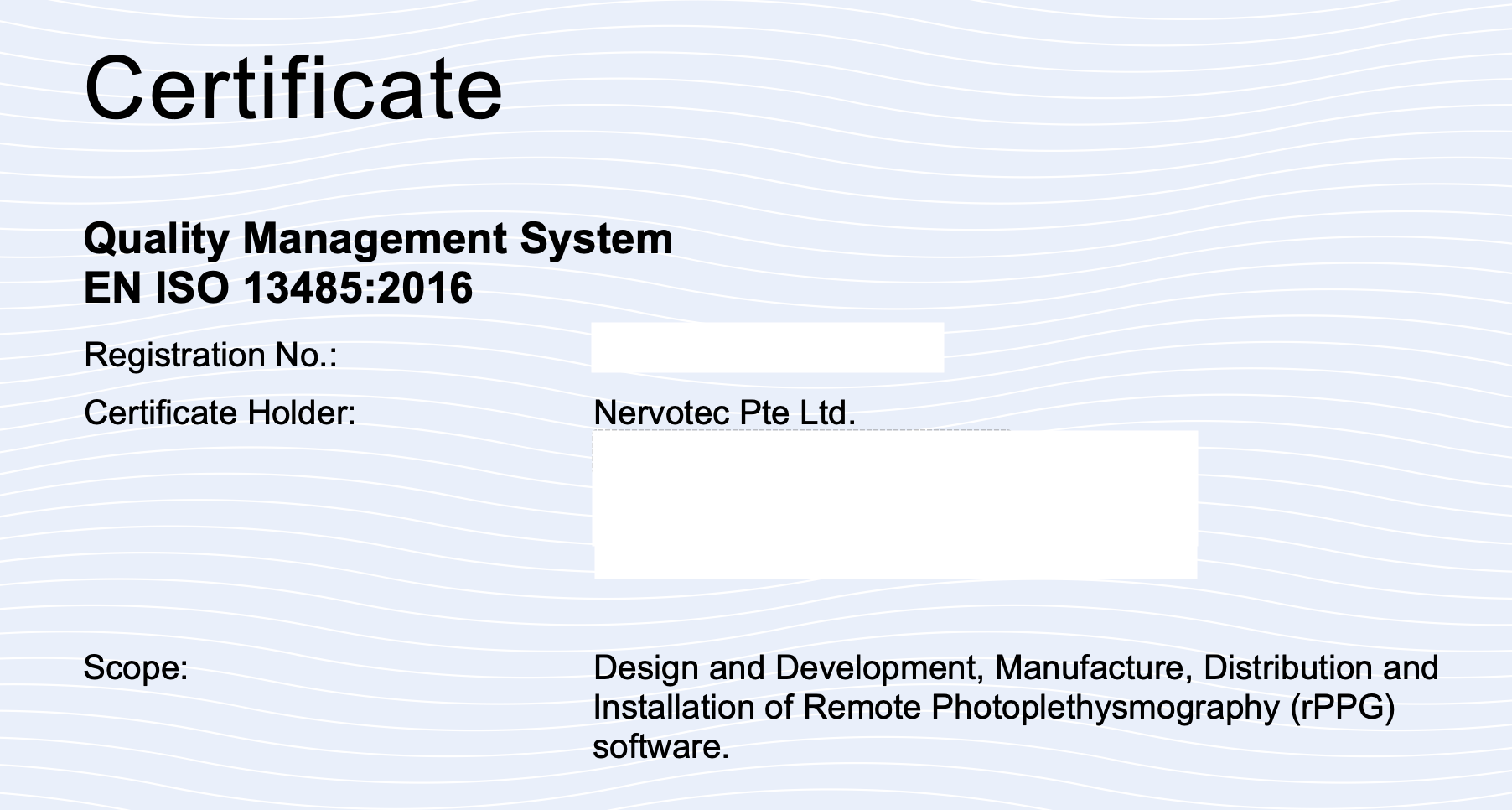
Nervotec’s EN ISO 13485 certificate. I built the system from scratch and led the company through the audit.
Southbridge × Anthropic.
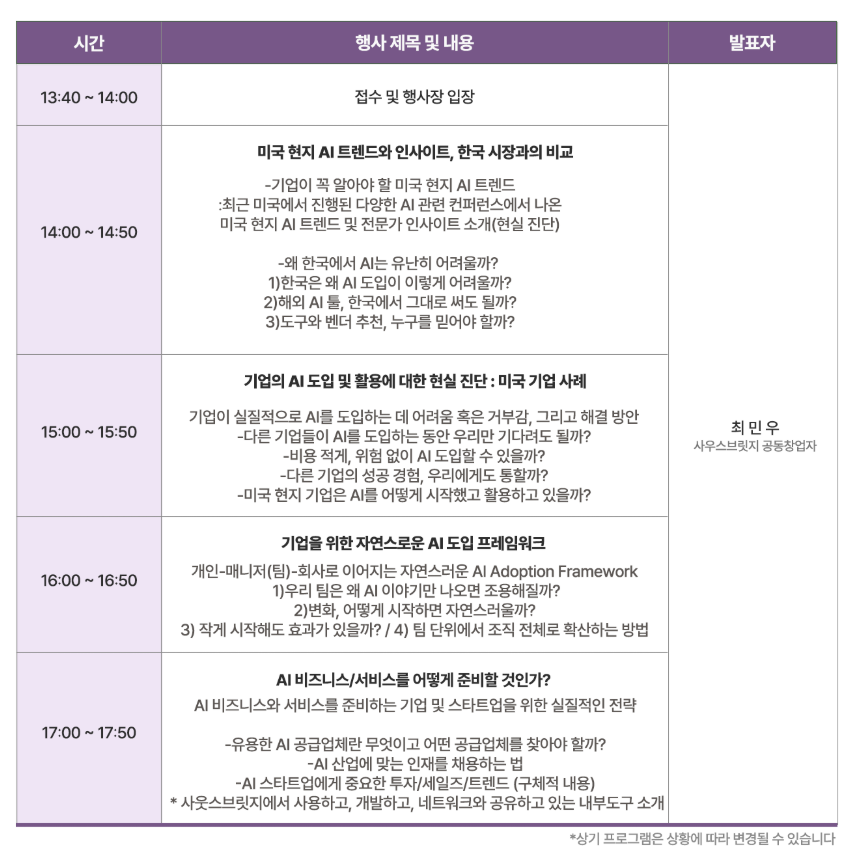
In June 2025, I partnered with Anthropic on a four-hour enterprise AI seminar in Gangnam, a year before it opened its Seoul office.
I taught the whole afternoon in Korean, from what American companies were actually doing with AI to a framework for spreading it from one person to a team to the entire company. (Seats were ₩187,000.) Anthropic provided enterprise demos and $500 in API credits for every participant.
Before Southbridge, I helped launch Meta’s Collaborative Ads in Korea as the technical bridge between the product team and Korean advertisers, working on signal, measurement and delivery.
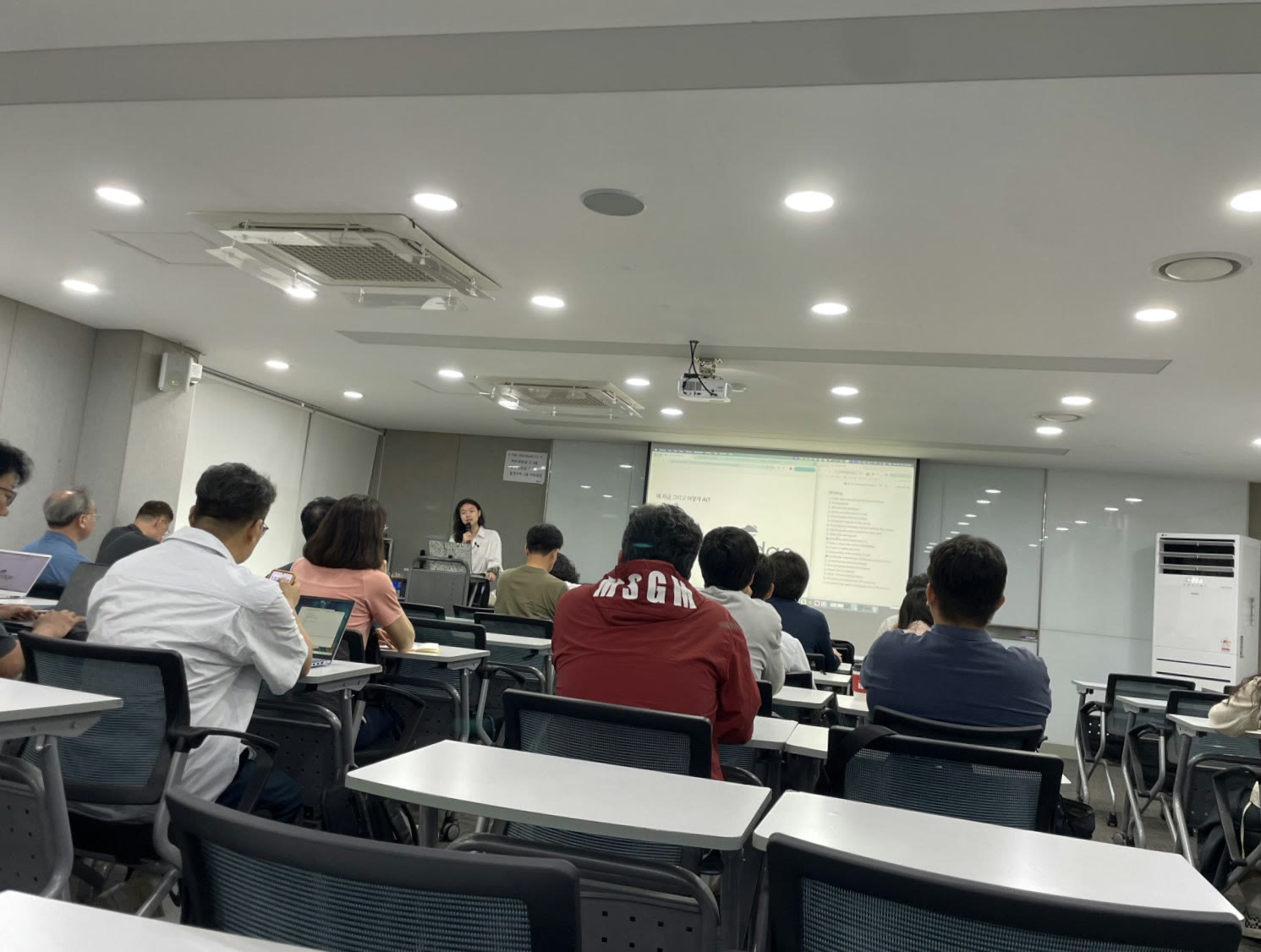
A room of IT leaders and executives working across finance, pharma, logistics, rail and semiconductors.
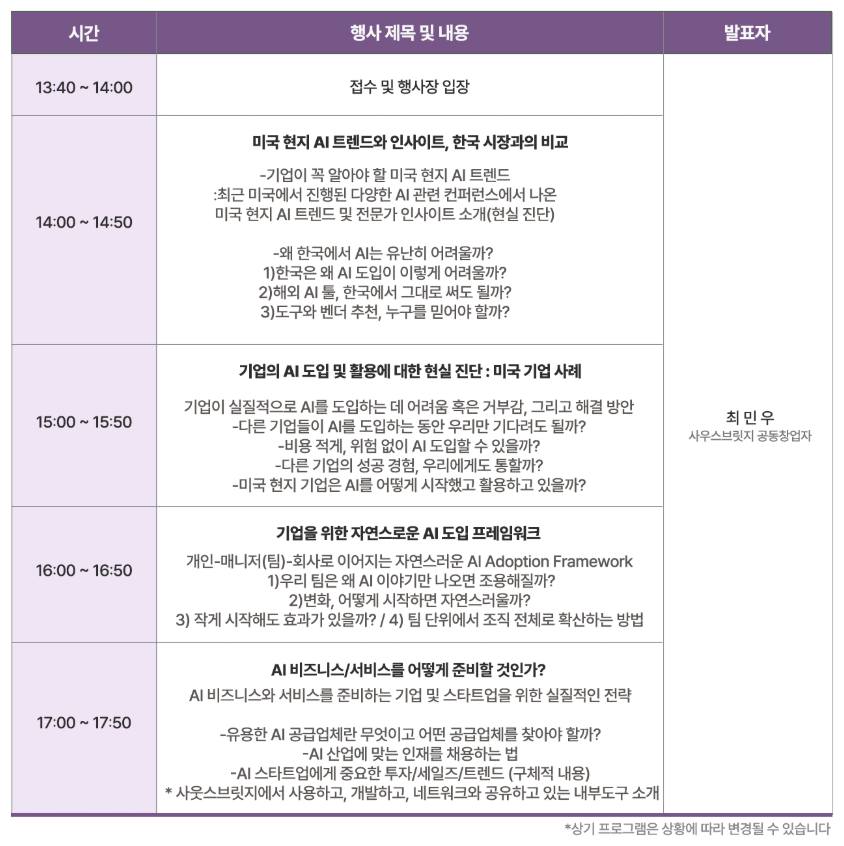
The afternoon’s sessions covered AI trends, enterprise use cases, organisation-wide adoption and building AI services.
You don’t ship the agent.
You ship the outcome.
Hrishi and I started Southbridge because we both had questions whose data wasn’t ready to answer them. Mine came from Roman numismatics; his came from maritime software. Context had gone missing long before an agent entered the picture.
We build agents to make that data usable. The hard part is often recovering the context its creators didn’t need to write down.
Before a loop can close, the system needs a way to notice a mistake. I want that mistake to become useful feedback, so the next attempt has more to go on than a fresh guess.
Visual feedback was an early way into this for me. Since 2024 I’ve been using small models and tools like diagen to make diagrams, inspect them and try again. Cheaper, faster turns of the loop change what you can afford to attempt.
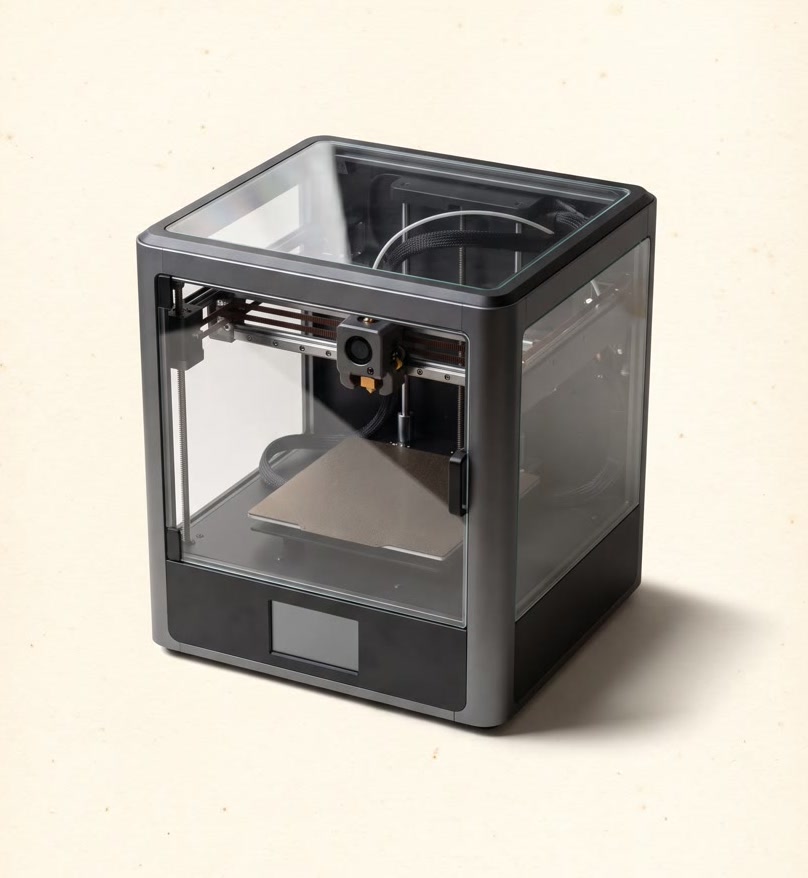
We built Hankweave to make those processes repeatable, with a record of how each run went. I borrow a lot from printers that check their own bed—they check the surface again each time they print.
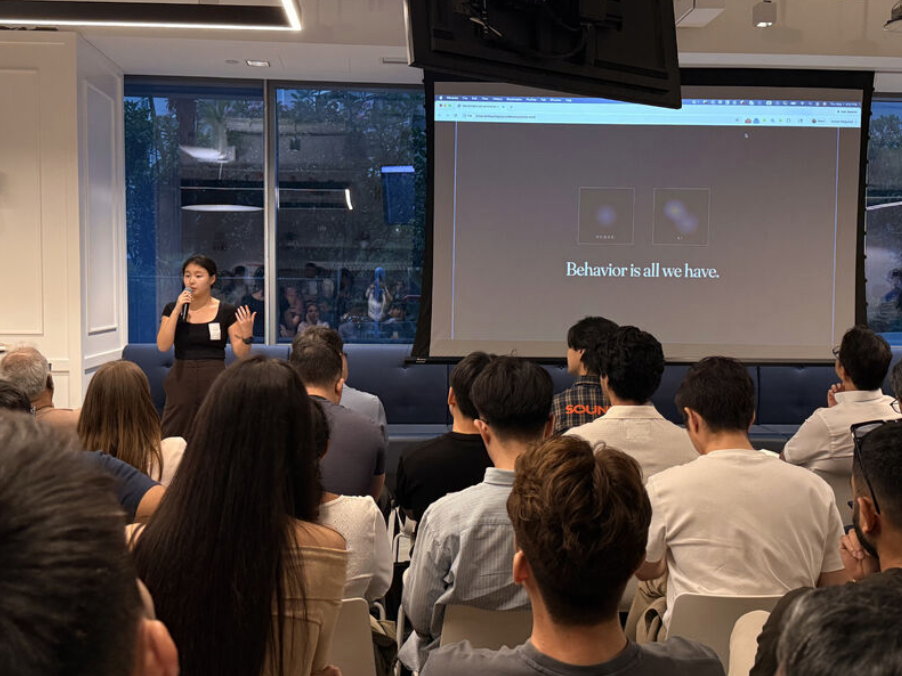
A Kuhn-inspired argument at AI Engineer UnConference, ahead of the series’ first Asian flagship.
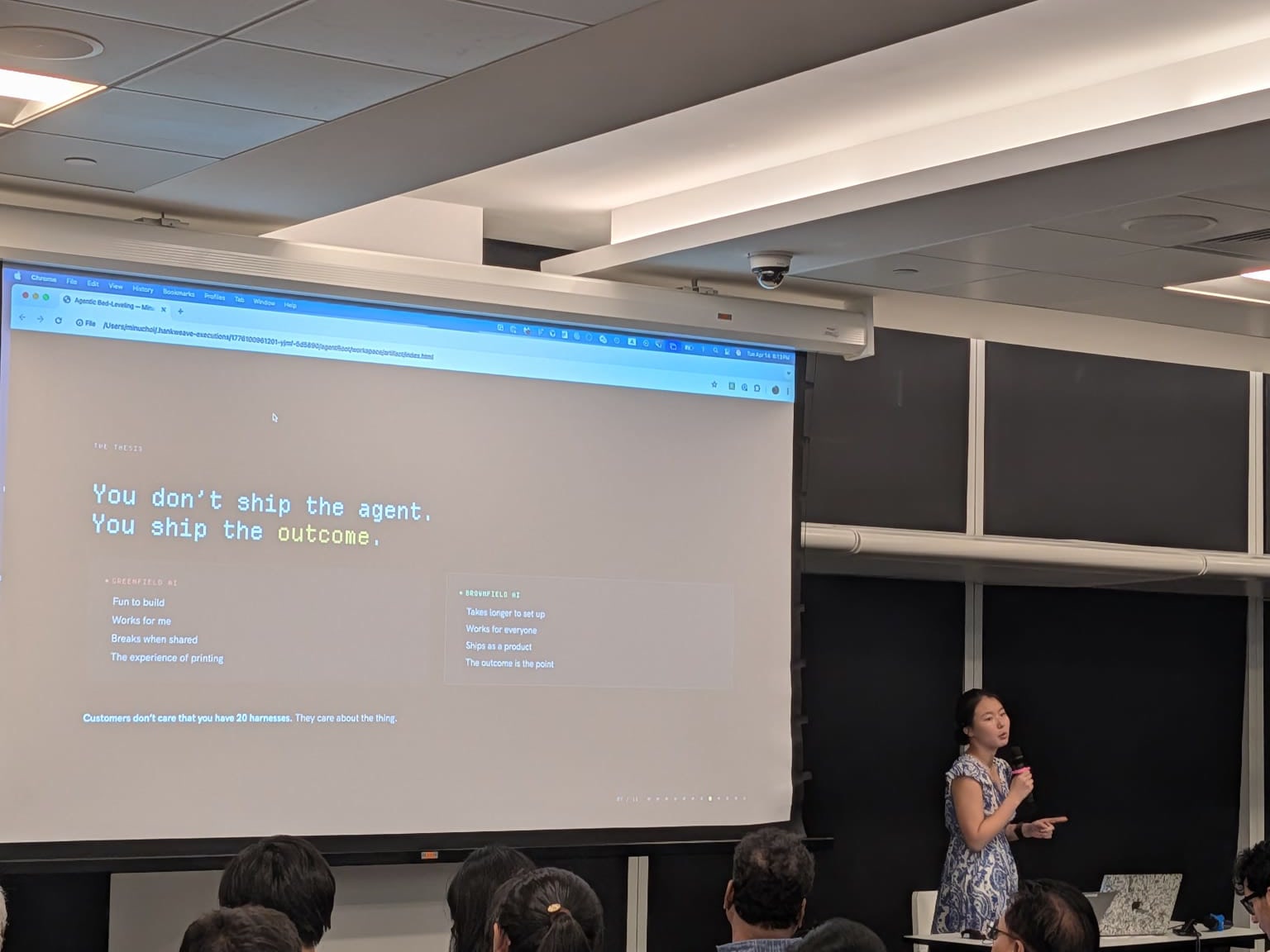
3D printers make an excellent way to explain why agents need to inspect the thing they are making.
All that jazz
I used to come out of a musical convinced I had to learn how to make one. I grew up on mythology, wrote plays from stories I loved, and kept wanting to put books on stage.
That wish is an ongoing one. A few years back, I got to work on an original musical with incredibly talented people. I also loved starting Acamando, a Korean and Mandopop a cappella group, with a bunch of linguaphiles who loved to sing.
I spent years writing scripts, leading a theatre troupe and acting my heart out. I still make time to sing, write and perform.
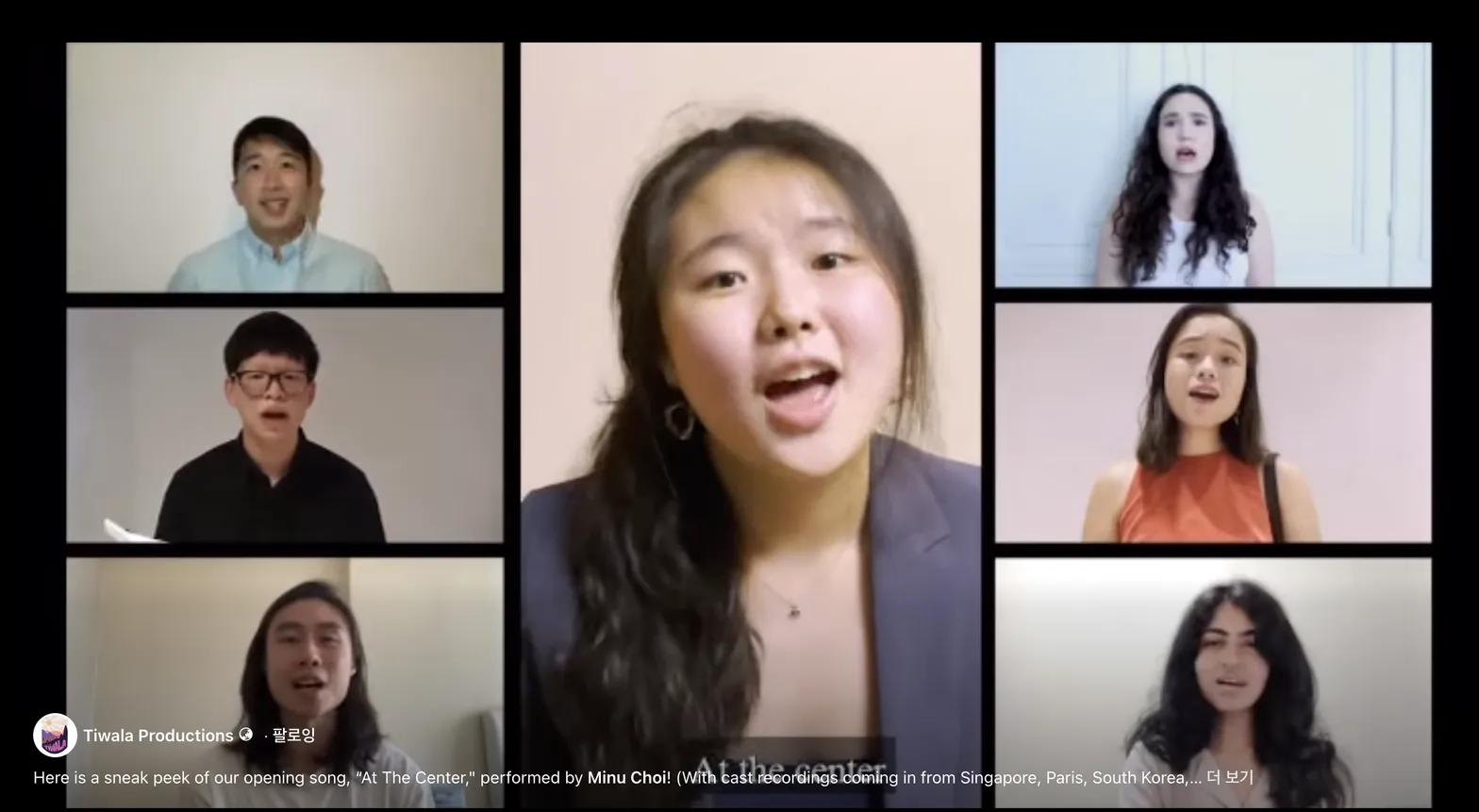
I sang the lead in Tiwala, an original musical. This is “At the Center.” You can also listen to the workshop recording on Spotify.
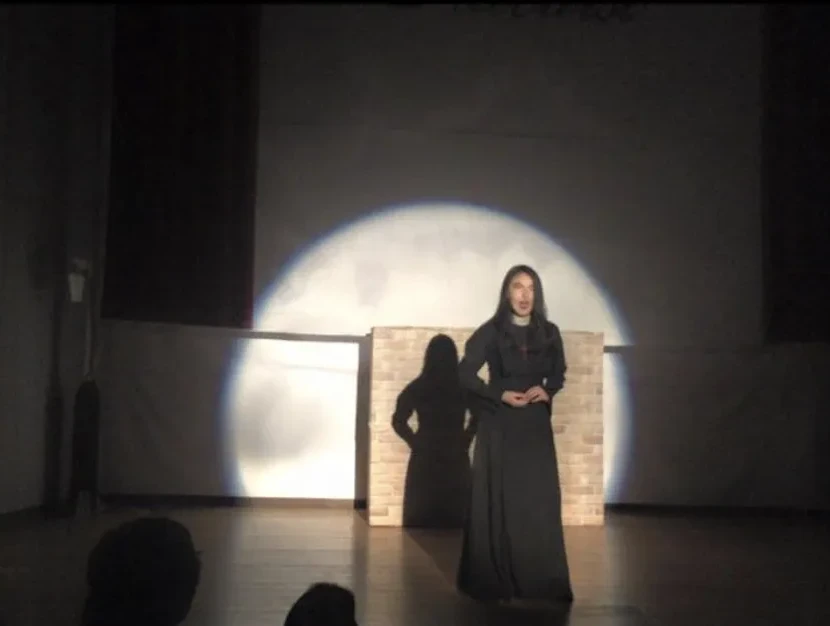
I wrote the scripts, led Outburst and acted in our productions.
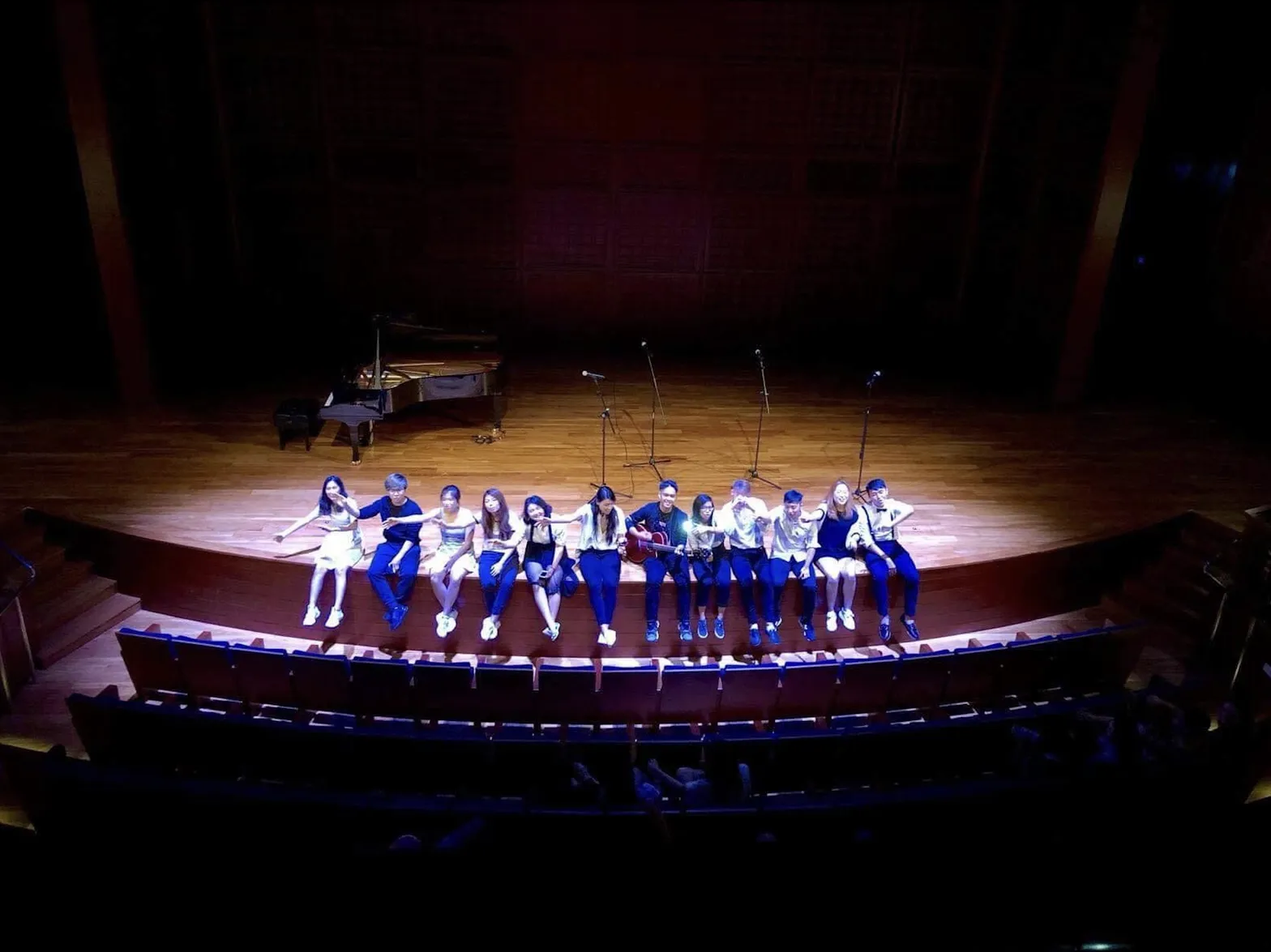
Acamando, our Korean and Mandopop a cappella group.
Writing, especially, goes back much further than this site. I co-edited Kaleidoscope, an English literature magazine of poems, short stories and illustrations.
I learned Latin and Ancient Greek to get closer to the texts I loved. I’ve also excavated and processed finds at the Roman port of Sanitja in Menorca.
A surprising amount of archaeology involves a toothbrush.
Let’s talk.
Working through difficult data? Or found an old book I should read?
Write to me ↗